Cold Wallet Guide: Secure Crypto Storage in 2026

Contents
Quick answer
Cold wallets store private keys offline, protecting them from online threats. Hardware wallets like Ledger or Trezor are common. Setup involves generating a seed phrase, writing it down securely, and transferring funds to a public address. This cold wallet guide walks through each step. Always keep the seed phrase offline and never share it.
Key takeaways
- Cold wallets keep private keys offline, immunizing funds from remote hacks but requiring physical security discipline.
- Hardware wallets are the easiest cold storage option to use, while paper and metal cost less.
- A 12 to 24 word seed phrase is the master backup; losing it means losing funds permanently.
- Use a cold wallet as the vault for crypto you later spend via a crypto card comparison, combining security with convenience.
By the end of this cold wallet guide, you will know which cold storage option fits your holdings. You will also learn how to initialise a hardware wallet without exposing keys. The guide ends with moving funds from cold storage to a spending card safely.
Cold Wallet Guide
Every year, exchanges and hot wallets leak private keys. Funds on an internet-connected device are one bad click away from a drain. Offline storage removes that attack surface. A cold wallet signs transactions on a device that never touches the internet. The private key does not appear on any connected screen after setup.
Over five years advising web3 companies on custody and wallet infrastructure taught me the same mistakes appear every cycle. Users store seeds in password managers. Teams share keys in chat. Cold storage discipline is procedural, not technical. This cold wallet guide follows that procedure. The sections below cover wallet types and hardware wallet setup. They also cover seed phrase backup, physical security, and cold storage with a crypto card.
What Is a Cold Wallet and Why Does It Matter?
A cold wallet stores private keys offline. The private key is the cryptographic secret that authorises spending. Whoever holds the key controls the funds. The wallet stores the key. The blockchain stores the balance.
Two threat models matter. Online attacks target anything connected to the internet: browser extensions, mobile apps, exchange accounts. A remote attacker only needs a phishing link or a malicious contract approval. Physical theft requires the attacker to be where your device or backup is. In my experience, people overestimate online risk and underestimate physical risk. Both matter. Writing about wallet security patterns for CoinTelegraph while advising custody clients showed one pattern. In my experience, most losses came from seed phrases stored digitally, not from device exploits.
Types of Cold Wallets: Hardware, Paper, Metal

Good cold wallets in 2026 share one trait: they generate keys on-device.
| Type | Cost | Durability | Ease of use | Security |
|---|---|---|---|---|
| Hardware wallet | $50 to $400 | High | High | High |
| Paper wallet | Nearly free | Low | Low | Medium |
| Metal backup | $25 to $200 | Very high | Medium (seed storage only) | High |
Hardware wallets are the most practical option in this cold wallet guide. Two widely used brands are Ledger and Trezor. Coin support differs between them: shielded Zcash works on Keystone and Ledger but not Trezor, while XRP works on every current Ledger and Trezor Safe model, as our guides to the best ZEC wallets and the best XRP wallet for investors explain. A hardware wallet generates keys on the device and signs transactions in an isolated secure element. You connect it to a computer only to broadcast a signed transaction. The private key never leaves the device. Check Trezor's official educational resources for a deeper technical explanation.
Paper wallets are a printed public address and private key. They were popular before hardware wallets became affordable. The risk is physical: fire, water, fading ink. Paper wallets also tempt users to photograph them. That reintroduces digital exposure. For most people, a paper wallet is a poor primary cold storage option today.
A metal backup is not a wallet. It is a way to store a seed phrase on stamped or engraved steel. It survives fire and flood far better than paper. You still need a hardware or software wallet to generate the seed in the first place.
Card and ring form factors work differently. Tangem generates keys inside an EAL6+ certified chip on an NFC card, with no screen and no buttons. A seed phrase is optional rather than mandatory, since multiple cards back each other up.
How to Set Up a Hardware Wallet
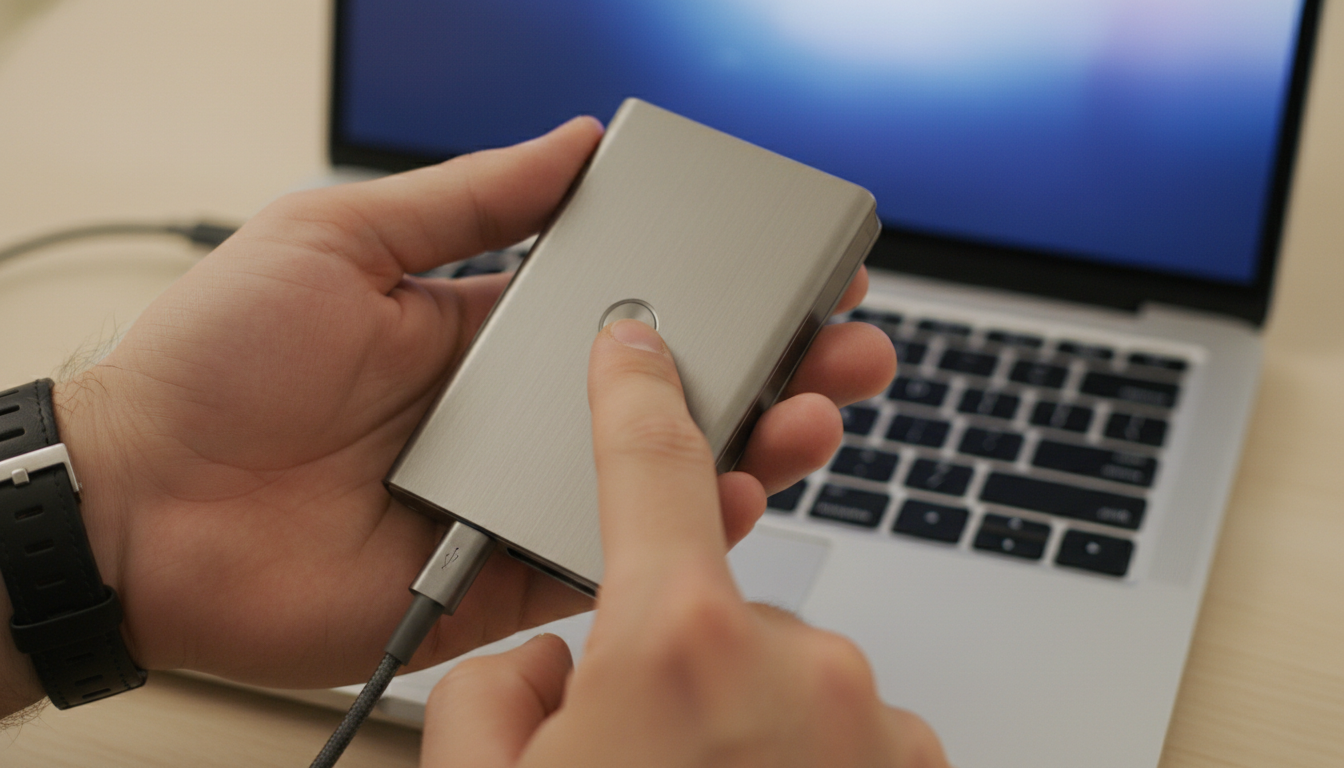
This cold wallet guide walks through hardware wallet setup. Follow these steps and do not skip step 5.
- Buy directly from the manufacturer. Third-party resellers introduce tampering risk. Order from Ledger or Trezor directly.
- Initialise the device. Follow the on-screen prompts to generate a new wallet. Never use a pre-printed seed phrase that came with a package. Manufacturer setup guides are documented at Ledger Academy.
- Write down the seed phrase. Write the 12 to 24 words on paper, in correct order. Store this paper in a secure physical location.
- Set a PIN. Choose 4 to 8 digits. The PIN protects against an attacker who steals the device but not the backup.
- Transfer a test amount. Send a small sum to the new public address. Wait for confirmation. Then send a small amount out. Only move large funds after both work.
Some wallets support a passphrase, sometimes called a 25th word. It adds a layer on top of the seed phrase. If you use one, store it separately from the seed phrase. Losing the passphrase means losing access even with the seed.
Setting up hardware wallets for clients across web3 projects revealed one common failure. People skip the test transaction. They move a full balance to a fresh address and then discover a firmware mismatch or a typo in their backup. A $5 test costs less than a total loss.
Seed Phrase Management and Backup
The seed phrase is a 12 to 24 word sequence that derives every private key in the wallet. It is the master backup. Anyone who has it can reconstruct the wallet on any device. There is no password reset. There is no customer support recovery. This cold wallet guide treats seed phrase backup as the highest priority.
Your seed phrase is the full key to your funds. Treat it like cash. Anyone who sees it can take everything.
Apply these rules to every seed phrase backup.
- Write the seed phrase on paper. Use a pen, not a pencil.
- Use a metal backup for serious holdings. Steel stamped with a letter punch set works.
- Never store the seed phrase digitally. No screenshots, no cloud notes, no password managers, no email drafts.
- Keep the backup separate from the device. A burglar who gets both can drain the wallet.
Teams built elaborate multisig setups and then stored recovery seeds in a shared Google Drive. That mistake undoes the entire security architecture. Physical backups are boring. Boredom is the point.
Security Best Practices for Cold Storage
A strong PIN stops casual access if someone finds your device. A passphrase adds a hidden wallet layer. Use both. Do not reuse a PIN from another device.
Store the device and the seed backup in separate locations. If your home burns down, you want the seed in a second site. A safe at home plus a safe deposit box is a workable split. Make sure one trusted person knows how to recover, or no one does. That is a real trade-off. This cold wallet guide makes separation a core rule. For cold storage crypto that exceeds a few thousand dollars, separation is not optional.
Buy only from official sources. Check the seal on the box. Initialise with a fresh seed generated by the device itself. A device that arrives with a scratch-off seed card has already been compromised. This is the classic supply chain attack vector. Follow the broader guidance at Bitcoin.org's wallet security best practices for more defensive detail.
Cold Wallet vs Hot Wallet
A hot wallet is any wallet connected to the internet. Browser extensions like MetaMask, exchange accounts, and mobile wallets are hot wallets. They sign transactions on a device that is online, so a remote exploit can extract keys.
The comparison is convenience against security. Hot wallets are fast. Cold wallets are guarded. Hot wallets work for amounts you actively trade or spend. Cold wallets hold the bulk of your funds. Move funds from cold to hot only when you need to spend or trade. This cold wallet guide uses the vault model. The vault and checking account model is the cleanest way to think about it.
DeFi protocols maintain both hot and cold infrastructure. Protocol treasuries sit in cold multisig wallets. Operational funds for liquidations and rewards sit in hot wallets. The same split works for individuals. Our wallet safety guides cover the setup and risk profile of specific hot and cold wallets. For coin-specific picks, see the best XRP wallets for investors and the best ZEC wallets for shielded Zcash, and the best USDC wallets for stablecoin savings.
Using a Cold Wallet with Crypto Cards
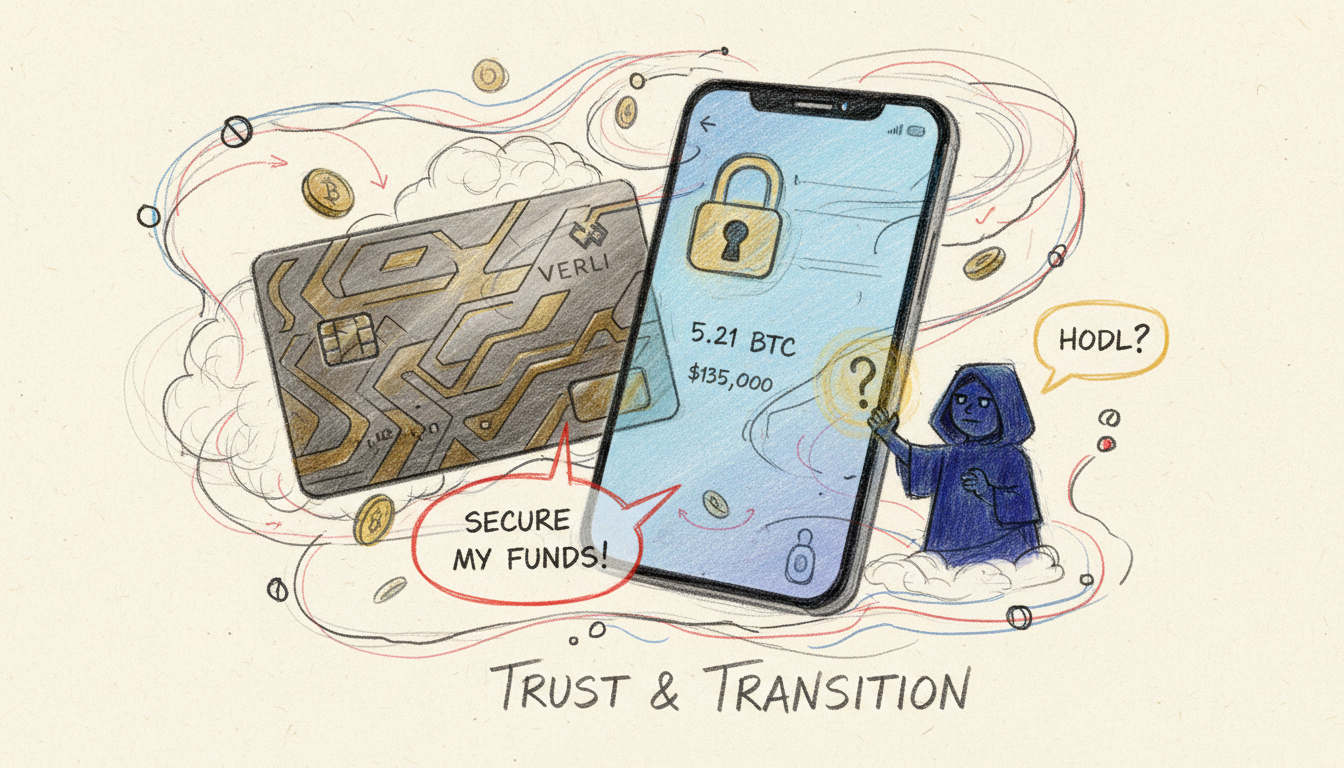
A cold wallet holds the bulk of your funds. You fund a crypto card by topping up a linked wallet or account from cold storage. The cold wallet is the vault. The card is the spending layer. You never put the full balance on the card. This cold wallet guide ends with that pattern.
Say you hold 90% of your Bitcoin in a Ledger. You top up your crypto card wallet with $500 every two weeks. If the card app or provider is compromised, the attacker can reach at most your top-up balance. The cold wallet remains untouched. This is the standard pattern we recommend at Crypto Card Tools for people who want security without sacrificing everyday use. Self-custody cards such as the Ledger CL Card and Tangem Pay follow this exact top-up model.
Tax implications exist. Moving coins from a cold wallet to a card top-up wallet does not usually trigger a taxable event if you still control them. Spending them on goods or services typically does. Keep records. This cold wallet guide does not replace tax advice.
At Synthesizer Lab, where I serve as CEO, we design tools that connect custody layers to spending flows. The cold wallet plus spending card pattern is the architecture we recommend to clients who want both security and liquidity.
Frequently asked questions
Can a cold wallet be hacked?
A cold wallet can be compromised through physical theft, supply chain tampering, or seed phrase exposure. It is not vulnerable to remote hacks because the signing key never touches an internet-connected device. Physical security and disciplined backup storage are the real defences.
What happens if I lose my cold wallet?
You do not lose your funds. You buy a replacement device from the manufacturer and restore it with your seed phrase. If you also lost the seed phrase, the funds are permanently unrecoverable. The backup matters more than the device.
Do I need a cold wallet for small amounts?
No, not for small amounts. A cold wallet is a security upgrade, and security has overhead. For amounts you would be annoyed but not devastated to lose, a hot wallet or exchange account is a reasonable trade-off. Move to cold storage when the balance becomes material to you.
How much does a cold wallet cost?
Hardware wallets cost roughly $50 to $400. A paper wallet costs almost nothing but degrades quickly. A metal seed backup costs $25 to $200 depending on the material. Compared to losing a five-figure portfolio, the cost is small.
What is the difference between a hardware wallet and a software wallet?
A hardware wallet stores private keys on a dedicated physical device that signs transactions offline. A software wallet is an app on a phone or computer, so the keys live on an internet-connected device. Hardware wallets are more secure. Software wallets are more convenient.
Frequently asked questions
Can a cold wallet be hacked?
What happens if I lose my cold wallet?
Do I need a cold wallet for small amounts?
How much does a cold wallet cost?
What is the difference between a hardware wallet and a software wallet?
Related tools
Keep reading
Honest RedotPay Card Review 2026: Fees, Limits, Countries and Risks
Honest RedotPay card review with official 2026 fees, spending and ATM limits, countries where you can't get the card, Pro cashback, and account freeze risks.

Visa Mastercard Alternative Crypto Card: What Works in 2026
A visa mastercard alternative crypto card runs on UnionPay, Amex, Discover, or stablecoin rails. Compare 2026 availability, fees, and KYC before you apply.
Crypto Debit Card Risks: 7 Checks Before You Spend
Crypto debit card risks include volatility, counterparty failure, hidden fees, and tax events. Use a regulated issuer, stablecoins, and small balances.